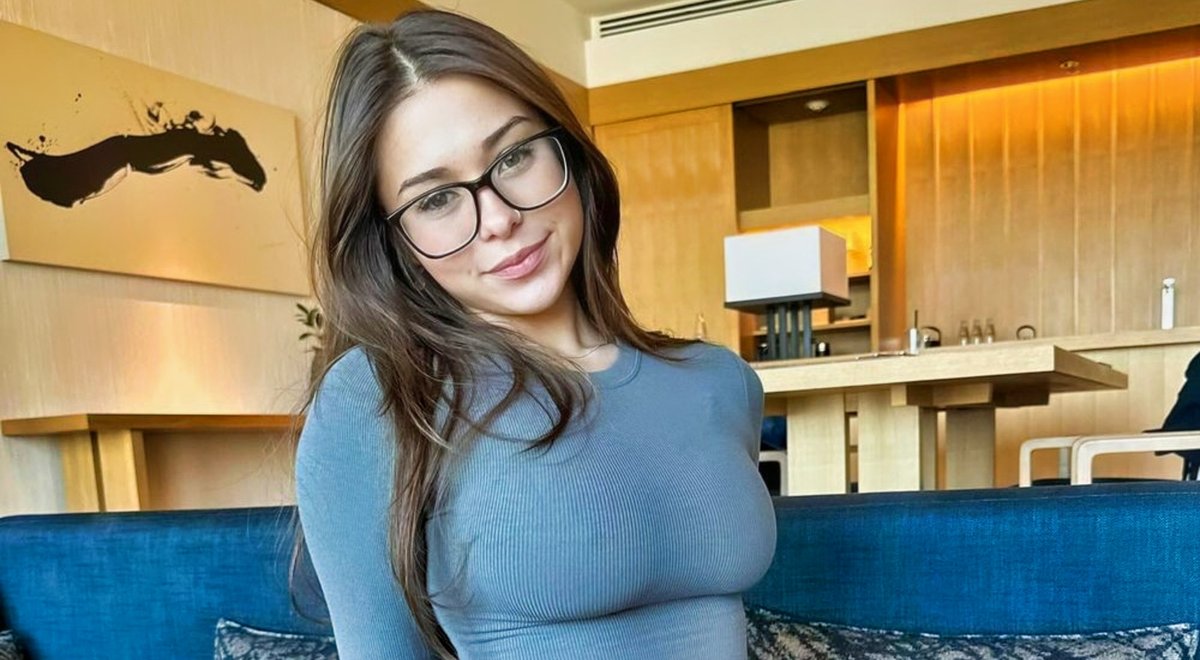
For the bigger picture and full context, make sure you read our main guide on Sophie Rain Onlyfans: Exploring Content, Community, and Creator Success.
markdown
Figuring out if an online personality's appearance is "natural" or enhanced is a common question, and the curiosity surrounding whether Sophie Rain is natural is no different. This goes beyond simple curiosity; it's about understanding the image we consume online and the realities behind it.
At a glance:
- We'll explore the evidence – both visual and anecdotal – regarding Sophie Rain's appearance.
- You'll learn how to critically assess online images and identify potential enhancements.
- We'll delve into the societal pressures that contribute to such questions.
- You'll gain a better understanding of the impact of beauty standards in the digital age.
- We'll address common misconceptions surrounding cosmetic procedures and natural beauty.
The Allure of Authenticity in the Digital Age
In an era saturated with filters and digital enhancements, the desire for authenticity is stronger than ever. When we see an influencer like Sophie Rain, who has garnered a large following based partly on her image, the question of "is Sophie Rain natural?" arises naturally. It stems from a need to trust what we see and a yearning for realistic representation.
However, it's important to remember that everyone, including public figures, has the right to privacy regarding personal choices about their appearance. This exploration isn't about judgment, but about understanding the complexities of online image and its impact.
Examining the Evidence: What Do the Photos Suggest?
One of the primary ways people try to determine if someone is "natural" is by examining photos and videos. Let's break down what to look for:
- Consistency Over Time: Compare older photos to newer ones. Significant, sudden changes can be a sign of procedures. Minor changes are normal due to aging, makeup, and lighting.
- Example: A drastic change in lip volume over a short period might suggest the use of fillers.
- Skin Texture and Tone: Heavily filtered images often have an airbrushed, unrealistic quality. Look for natural imperfections like pores, fine lines, and variations in skin tone. Overly smooth skin can be a red flag.
- Body Proportions: Be aware of common photo editing techniques that can alter body shape and proportions. Distortions in the background (warped lines) are a telltale sign.
- Makeup Techniques: Skilled makeup artists can create illusions that enhance features. Contouring, highlighting, and strategic use of shadows can dramatically alter appearance.
It's important to stress that visual analysis alone cannot provide definitive proof. Lighting, camera angles, and makeup can all play a significant role in how someone appears in a photo or video.
Diving Deeper: Cosmetic Procedures and Their Prevalence
To understand the conversation around whether Sophie Rain is natural, it's helpful to have a basic understanding of common cosmetic procedures:
- Fillers: Used to add volume to lips, cheeks, and other areas. The effects are typically temporary.
- Botox: Injected to reduce wrinkles by temporarily paralyzing facial muscles.
- Breast Augmentation: Surgical procedure to increase breast size.
- Rhinoplasty: Surgical procedure to reshape the nose.
- Liposuction: Surgical procedure to remove fat from specific areas of the body.
The prevalence of these procedures has increased dramatically in recent years, fueled in part by social media and the pressure to conform to certain beauty standards. It's also important to recognize the growing trend of non-invasive procedures that offer subtle enhancements with minimal downtime.
Decoding the "Natural" Look: What Does It Really Mean?
The term "natural" can be subjective and misleading. Does it mean completely untouched by cosmetic procedures? Or does it refer to a look that appears effortless and undetectable, even if enhancements have been made?
Many people opt for subtle cosmetic enhancements that enhance their natural features without creating an obviously "done" appearance. The goal is often to look like a better version of themselves, rather than transforming into someone else entirely. This ambiguity fuels the ongoing speculation about celebrities' appearances.
The Impact of Social Media on Beauty Standards
Social media platforms play a significant role in shaping beauty standards and influencing perceptions of what is considered attractive. Filtered images, curated feeds, and the constant exposure to idealized versions of reality can contribute to feelings of insecurity and pressure to conform.
Sophie Rain Onlyfans: Dive Deeper for more information on the broader community and creator context that shapes these discussions.
Spotting the Signs: Identifying Potential Enhancements
While it's impossible to know for sure without personal confirmation, here are some indicators that might suggest cosmetic enhancements:
- Unusually Full Lips: A sudden and dramatic increase in lip volume, especially if the lips appear overly plump or unnatural in shape.
- Perfectly Smooth Skin: A complete absence of pores, wrinkles, or blemishes, even in close-up photos.
- Sculpted Facial Features: Sharply defined cheekbones and jawline, particularly if these features were less prominent in earlier photos.
- Symmetrical Appearance: While some symmetry is natural, an overly symmetrical face can be a sign of cosmetic intervention.
Remember, these are just clues, not definitive proof. And it's crucial to avoid making assumptions or judgments about someone's appearance based solely on visual observations.
Case Snippet: The "Before and After" Phenomenon
A common tactic used to assess someone's naturalness is comparing "before and after" photos. However, even seemingly obvious transformations can be misleading.
- The Power of Lighting and Makeup: A skilled makeup artist and flattering lighting can make a significant difference in someone's appearance.
- Weight Loss/Gain: Changes in weight can dramatically alter facial features.
- Aging: Natural aging processes can lead to subtle changes in appearance over time.
A seemingly dramatic transformation might simply be the result of a combination of these factors, rather than cosmetic procedures.
Ethical Considerations: Privacy and Speculation
It's essential to approach the topic of cosmetic enhancements with sensitivity and respect for privacy. While public figures are subject to scrutiny, they also have a right to make personal choices about their appearance without being subjected to unwarranted criticism or judgment.
Unsubstantiated speculation about someone's physical appearance can be hurtful and damaging. It's important to remember that we only see a curated version of someone's life online, and we don't know the full story behind their choices.
Quick Answers: Addressing Common Questions
Q: Is it wrong to get cosmetic surgery?
A: There's no right or wrong answer. It's a personal decision. Some people choose to enhance their appearance for self-esteem, while others are happy with their natural beauty.
Q: Why do people speculate about celebrities' appearances?
A: Curiosity, the influence of beauty standards, and the desire for authenticity all play a role. We're naturally curious about the people we admire, and we want to believe that what we see is real.
Q: Does it matter if someone has had work done?
A: Ultimately, no. What matters is how someone presents themselves and the content they create. Their personal choices about their appearance are their own.
Q: How can I be more confident in my own natural appearance?
A: Focus on self-acceptance, cultivate a healthy lifestyle, and surround yourself with positive influences. Remember that beauty comes in many forms, and what matters most is how you feel about yourself. Focus on your strengths and what makes you unique.
Taking Action: A Practical Guide to Critical Image Consumption
Here's a simple checklist for navigating the world of online images:
- Be skeptical: Don't take everything you see at face value. Consider the possibility of filters, editing, and cosmetic enhancements.
- Look for inconsistencies: Pay attention to skin texture, body proportions, and changes over time.
- Consider the context: Think about the person's profession, lifestyle, and the environment in which the photo was taken.
- Focus on the positive: Appreciate the diversity of beauty and celebrate your own unique qualities.
- Promote authenticity: Encourage transparency and honesty in the online world.
By becoming more critical consumers of online images, we can help to create a healthier and more realistic representation of beauty.
Ultimately, the question of "is Sophie Rain natural?" is less important than the broader conversation about beauty standards, authenticity, and the impact of social media. By fostering critical thinking and promoting self-acceptance, we can empower ourselves to navigate the digital world with greater confidence and awareness.
