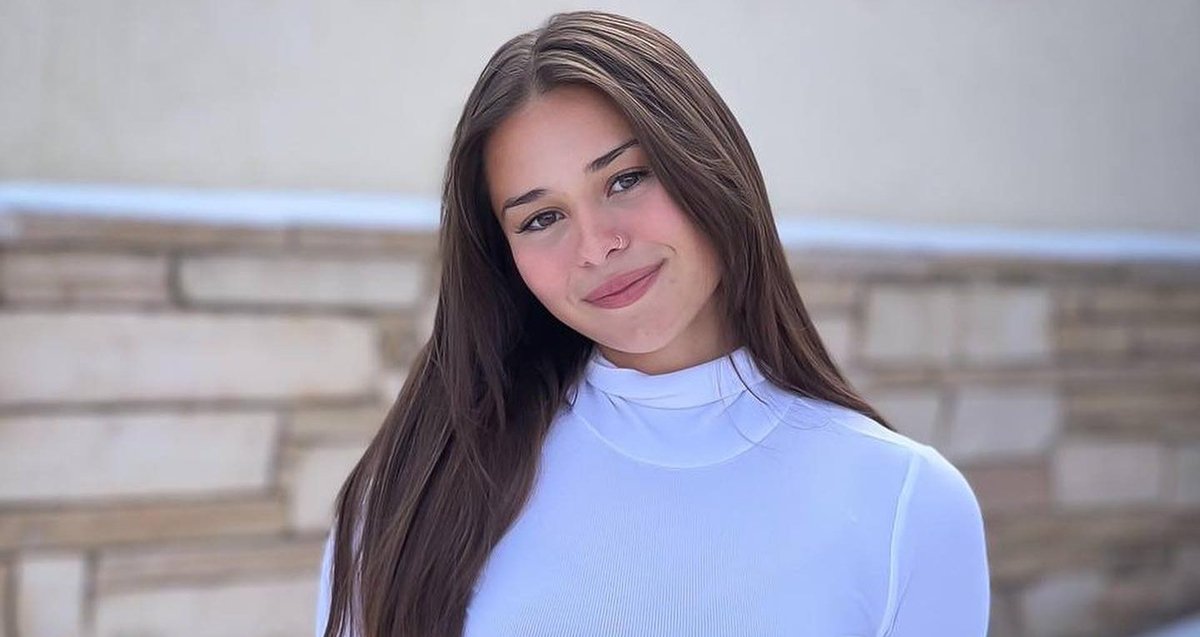
For the bigger picture and full context, make sure you read our main guide on Sophie Rain Onlyfans: Exploring Content, Community, and Creator Success.
markdown
Understanding the nuances of a creator’s background can offer valuable insight into their work. When considering Sophie Rain's career, particularly in the context of her online presence, many are curious about Sophie Rain ethnicity and how it might shape her content and persona.
At a Glance:
- We'll explore what is publicly known about Sophie Rain's ethnic background.
- We'll examine how cultural identity can influence content creation.
- Understand the importance of respectful engagement when discussing someone's ethnicity.
- We'll address some common misconceptions related to Sophie Rain's heritage.
What is Known About Sophie Rain's Ethnic Background?
It's important to state upfront that publicly available information regarding Sophie Rain's ethnicity is limited. Celebrities and online personalities often choose what aspects of their personal lives they share, and ethnicity falls squarely within that realm. Without explicit confirmation from Sophie Rain herself, any claims are speculative. However, by observing public information, such as her appearance and surname, some have drawn inferences, but these remain unconfirmed.
Why Does Ethnicity Matter in the Context of Online Content?
Ethnicity can play a significant role in how content creators express themselves, the stories they tell, and the audiences they attract. Cultural background may influence:
- Content Themes: A creator’s heritage might inspire certain themes, narratives, or artistic choices.
- Audience Connection: Shared cultural experiences can foster a deeper connection with audience members of similar backgrounds.
- Perspective: Ethnicity can shape a creator’s worldview and the unique perspective they bring to their content.
For example, a creator might incorporate elements from their cultural traditions into their videos, music, or art. This can be a powerful way to celebrate their heritage and share it with the world. However, it's vital to avoid making assumptions about how someone's ethnicity should influence their content. Every individual's experience is unique.
The Importance of Respectful Dialogue
When discussing someone’s ethnicity – particularly a public figure – it's crucial to engage respectfully. Avoid:
- Stereotyping: Making generalizations about individuals based on their ethnic background.
- Exoticizing: Treating someone's ethnicity as inherently unusual or fascinating solely for its perceived difference.
- Making Assumptions: Drawing conclusions about someone's personality, beliefs, or experiences based on their ethnicity.
Instead, focus on respectful curiosity and acknowledge the complexity of individual identity. Remember that a person's ethnicity is just one facet of their identity.
How Cultural Identity Influences Creative Expression: A Closer Look
Cultural identity extends beyond simple ethnicity. It encompasses shared beliefs, values, traditions, language and artistic expression.
Here's how cultural identity might influence a creator's expression:
- Language: Use of specific phrases, slang, or even code-switching (alternating between languages or dialects) can create a sense of community and authenticity.
- Humor: Humor is often culturally specific. Creators may draw on inside jokes or cultural references that resonate with particular audiences.
- Fashion & Style: Clothing choices, hairstyles, and makeup can be powerful ways to express cultural identity.
- Music: Incorporating traditional music, instruments, or dance styles can be a way to celebrate and share cultural heritage.
Consider a hypothetical example: A creator of Italian heritage might incorporate traditional Italian recipes and cooking techniques into their food-related content. They might also use Italian phrases or slang, or share stories about their family traditions. This allows them to connect with other Italian-Americans, as well as introduce their culture to a wider audience. To understand Sophie Rain's broad appeal and approach, you can further explore details about Learn about Sophie Rain's OnlyFans.
Common Questions About Sophie Rain Ethnicity
Here are some questions that often arise regarding Sophie Rain's ethnic background:
Q: Has Sophie Rain publicly stated her ethnicity?
A: No, Sophie Rain has not publicly stated her ethnicity. Any information found online is speculative unless confirmed by her directly.
Q: Is it appropriate to speculate about someone's ethnicity?
A: While curiosity is natural, it's important to be respectful of someone's privacy. Speculating about someone's ethnicity can be insensitive and perpetuate stereotypes.
Q: How does ethnicity relate to cultural appropriation?
A: Cultural appropriation involves adopting elements of a culture without understanding or respecting their original context, often for personal gain. It's crucial for content creators to be mindful of cultural appropriation and to avoid exploiting or misrepresenting cultural practices.
The Pitfalls of Making Assumptions
It's tempting to fill in the blanks when information is scarce, but when it comes to ethnicity, assumptions can be harmful. Here are some common pitfalls to avoid:
- Assuming homogeneity within ethnic groups: Not everyone within a specific ethnic group shares the same experiences, beliefs, or values.
- Equating ethnicity with nationality: Ethnicity refers to cultural heritage, while nationality refers to citizenship. They are not interchangeable.
- Ignoring intersectionality: Individuals can belong to multiple marginalized groups, and their experiences are shaped by the intersection of these identities.
- Using ethnicity as a shorthand for personality traits: This is a form of stereotyping, and it's never accurate or fair.
For example, assuming that all people of Asian descent are good at math is a harmful stereotype. It's important to remember that individuals are individuals, and their skills and abilities are not determined by their ethnicity.
Respectful Engagement: A Practical Playbook
Here's a quick guide to engaging respectfully when ethnicity comes up:
- Listen more than you speak: If someone is sharing their experiences related to their ethnicity, listen attentively and try to understand their perspective.
- Ask respectful questions: If you're unsure about something, ask clarifying questions in a respectful and considerate manner.
- Avoid making assumptions: Don't assume that you know someone's experiences or beliefs based on their ethnicity.
- Be mindful of your language: Use inclusive language and avoid making generalizations or stereotypes.
- Acknowledge your own biases: Everyone has biases, and it's important to be aware of your own biases and how they might influence your perceptions.
- Be willing to learn: Be open to learning about different cultures and perspectives, even if it challenges your own beliefs.
- Respect boundaries: If someone doesn't want to talk about their ethnicity, respect their decision.
Quick Answers: Clearing Up Misconceptions
Let's tackle some common misconceptions head-on:
| Misconception | Reality |
|---|---|
| Ethnicity is the same as race. | Race is a social construct based on perceived physical differences, while ethnicity is about shared cultural heritage. |
| All members of an ethnic group are the same. | Ethnic groups are diverse, and individuals within them have unique experiences and perspectives. |
| Ethnicity is always a defining characteristic. | While important, ethnicity is just one aspect of a person's complex identity, which also includes gender, sexuality, class, and other factors. |
| We are always entitled to information about someone's background | A person's ethnic background is personal information and sharing it is completely their choice. |
Taking Action: Cultivating Respect and Understanding
Ultimately, understanding Sophie Rain ethnicity, or anyone else's, starts with respect and a willingness to learn. It involves acknowledging the limitations of public information and avoiding harmful assumptions. Let's focus on appreciating the diverse voices and perspectives that enrich our online world.
