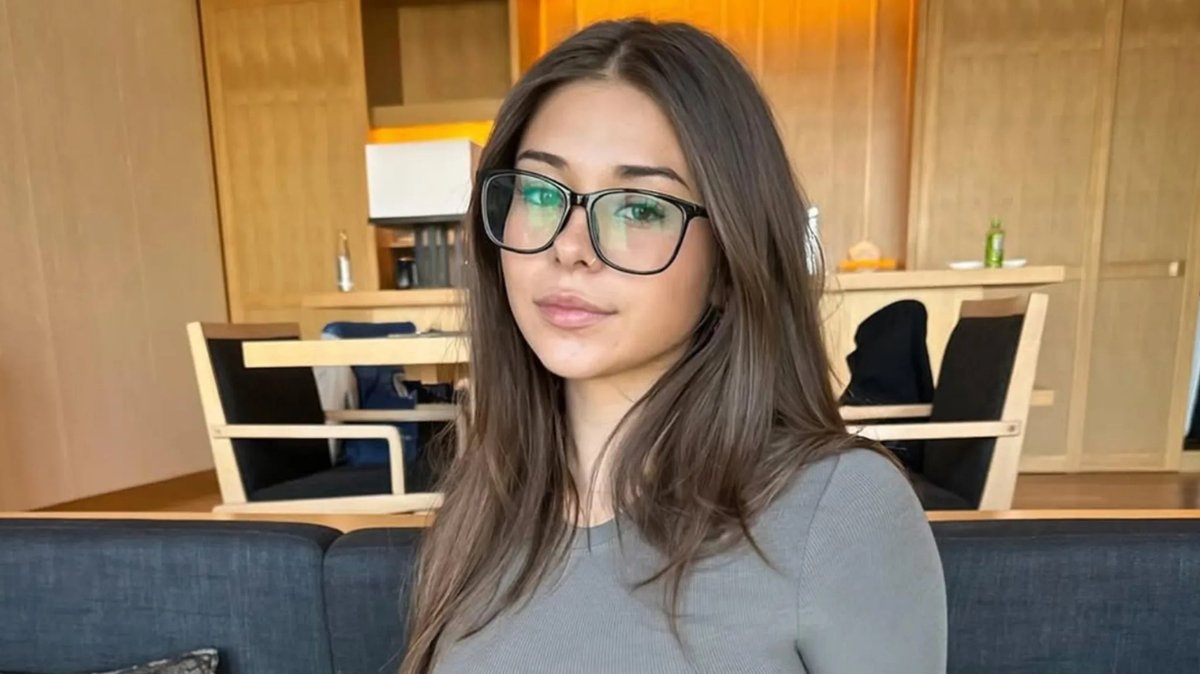
The intrigue surrounding online personalities often extends beyond their curated digital presence, and the curiosity about Sophie Rain real name is no exception. While Sophie Rain has built a significant following based on her online persona and content, understanding the nuances of revealing or protecting personal information is critical for both creators and fans.
At a glance:
- Understand why knowing (or not knowing) a creator's real name matters.
- Explore situations where revealing a real name can be risky or beneficial.
- Learn how creators navigate privacy concerns and maintain control over their identity.
- Discern the ethical considerations around seeking or sharing private information.
- Get practical tips protecting your own online identity and respecting boundaries.
Why Does Knowing a Creator's Real Name Matter?
For many fans, knowing a creator's real name can feel like a deeper connection, adding a layer of authenticity to their parasocial relationships. It humanizes the online persona, blurring the lines between the digital and real world. It can also be driven by simple curiosity – wanting to know more about someone they admire or find interesting.
However, the motivations aren't always innocent. Sometimes, it's rooted in a desire to exert power or control, or even to harass or stalk the creator. Understanding these underlying motivations is crucial in navigating the ethics of seeking or sharing a creator's private information.
The Risks and Rewards of Revealing Identity Online
Revealing a real name online can come with a mixed bag of potential outcomes. On one hand, it may enhance authenticity and trust, fostering a stronger connection with the audience. For example, a vlogger sharing their real name might resonate more with viewers, especially if the content involves personal stories or experiences. This can lead to greater brand loyalty and engagement.
On the other hand, revealing a name opens the door to potential risks, including:
- Privacy invasion: Increased vulnerability to doxxing, stalking, and online harassment.
- Professional repercussions: Potential impact on career opportunities or personal relationships if the content is considered controversial.
- Identity theft: Increased risk of having personal information compromised.
Creators need to carefully weigh these risks against the potential benefits before making a decision. Consider the content style and target audience. Is a level of anonymity necessary for free expression, or would greater transparency enhance credibility?
Navigating Privacy as a Content Creator: Sophie Rain's Example
While Sophie Rain's specific approach to privacy isn't publicly documented, we can observe general strategies employed by creators in similar niches to understand how they manage their online identity. Many creators use pseudonyms or stage names to maintain a degree of separation between their online persona and their personal life. They may also limit the amount of personal information they share on social media and other platforms.
Another common strategy is to use privacy settings to control who can see their content and personal information. This includes blocking unwanted followers, limiting comments, and using strong passwords.
Ultimately, the key is to proactively manage your online presence and protect your personal information. To learn more about Sophie's platform and content, Diving into Sophie Rain's OnlyFans.
Ethical Considerations: The Line Between Curiosity and Invasion
The internet has blurred the lines between public and private information, raising ethical questions about the pursuit and sharing of personal details. While it's natural to be curious about someone you admire, it's important to respect their privacy and boundaries.
Here are some guidelines:
- Avoid actively searching for personal information: Resist the urge to Google or dig into social media accounts for details that aren't publicly shared.
- Don't share personal information without consent: Even if you find a creator's real name or address, keep it to yourself. Sharing it without their permission is a violation of their privacy and can have serious consequences.
- Respect the creator's wishes: If a creator chooses to remain anonymous, respect their decision. Don't pressure them to reveal their identity or try to uncover it yourself.
Remember, creators have the right to control their online presence and protect their personal information. Respecting their boundaries is essential.
Practical Steps: Protecting Your Own Online Identity
Whether you're a creator or simply an active internet user, taking steps to protect your online identity is crucial. Here's a practical playbook:
- Use strong, unique passwords: Use a password manager to generate and store complex passwords for each online account.
- Enable two-factor authentication (2FA): Add an extra layer of security to your accounts by requiring a code from your phone or email in addition to your password.
- Review and adjust privacy settings: Regularly review the privacy settings on your social media accounts and other online platforms. Limit who can see your content and personal information.
- Be mindful of what you share: Think before you post. Avoid sharing sensitive information like your address, phone number, or financial details.
- Use a VPN (Virtual Private Network): A VPN encrypts your internet traffic and masks your IP address, making it more difficult for others to track your online activity.
- Monitor your online presence: Regularly search for your name online to see what information is publicly available. Take steps to remove or correct any inaccurate or outdated information.
- Consider using a pseudonym: When participating in online communities or forums, consider using a pseudonym to protect your real identity.
Quick Answers: Common Questions and Misconceptions
Q: Is it illegal to search for a creator's real name?
A: Not necessarily. Simply searching for publicly available information is usually not illegal. However, using that information to harass, stalk, or doxx the creator is illegal and can have serious consequences.
Q: If a creator's real name is already public, is it okay to share it?
A: Even if the information is publicly available, it's still unethical to share it without the creator's consent. They may have unintentionally revealed their name or been doxxed in the past. Sharing it further perpetuates the privacy violation.
Q: Isn't it hypocritical for creators to profit from their online persona while also demanding privacy?
A: Creators are entitled to privacy, just like anyone else. They have the right to control what information is shared about them and to maintain a degree of separation between their online persona and their personal life. Profiting from content creation doesn't forfeit that right.
Q: What should I do if I accidentally find a creator's personal information?
A: The ethical thing to do is to keep it to yourself and avoid sharing it with others. If you believe the information poses a risk to the creator's safety, you may want to consider contacting them directly to let them know.
Actionable Close: Respect Boundaries and Protect Yourself
Ultimately, the issue of Sophie Rain real name (or the real name of any online personality) boils down to respect. Respect for privacy, respect for boundaries, and respect for the individual behind the online persona. By exercising caution, respecting boundaries, and proactively managing your online presence, you can navigate the digital world safely and ethically. Remember, curiosity shouldn't trump compassion.
